
Dr. Sofia Hawelia

We are now an Invisalign provider We are now an Invisalign provider
Dental Implants in Kolkata

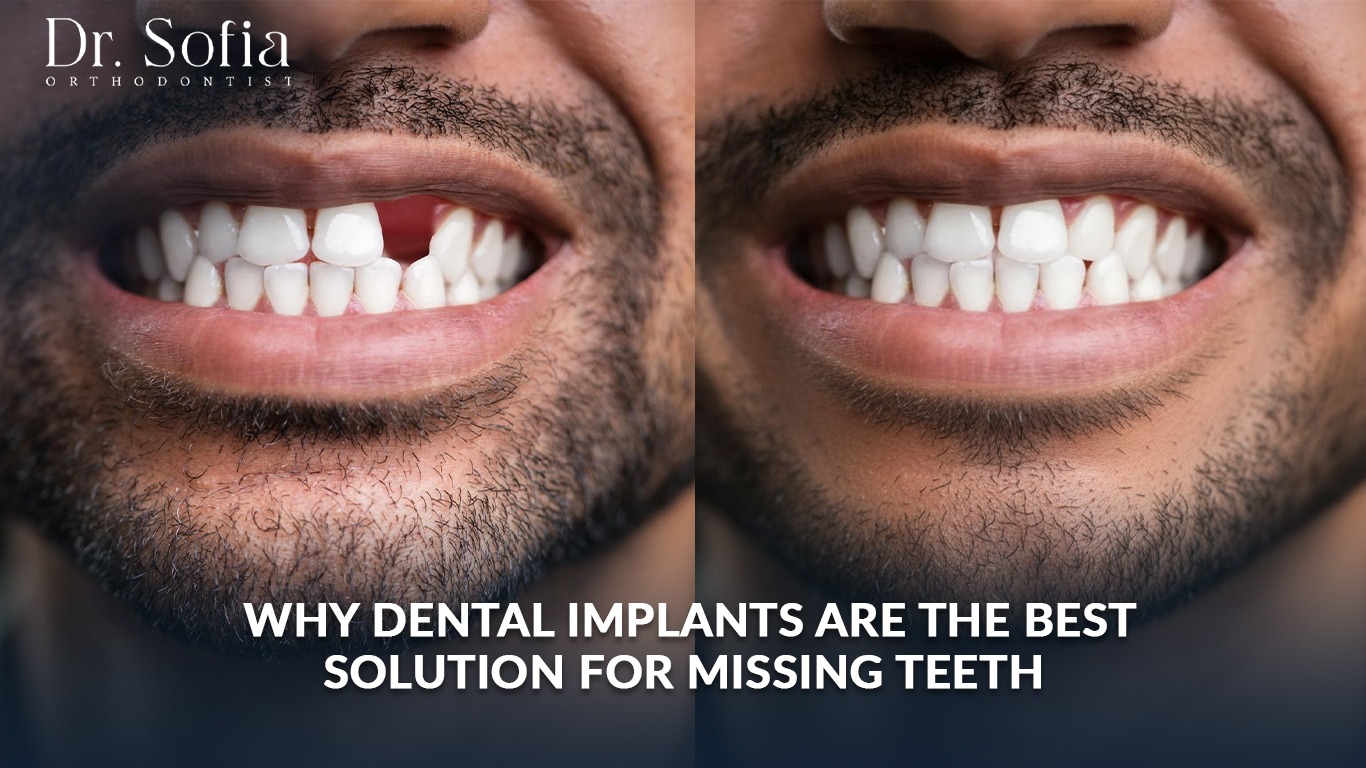
Why Dental Implants Are the Best Solution for Missing Teeth

Authored by: Dr.Sofia Hawelia (orthodontist) 

Losing a tooth, whether due to decay, injury, or gum disease, is more than just a cosmetic issue. It can affect the way you eat, the way you speak, and even how confident you feel around others. If a missing tooth is left untreated, it can also lead to other problems like shifting teeth, jawbone loss, and long-term oral health issues.

The good news is that modern dentistry offers a solution that comes very close to replacing a natural tooth. Dental implants are now widely considered one of the most effective ways to restore missing teeth.

If you have been exploring options, this guide will help you understand why dental implants are often the best choice and what to expect when considering dental implants in Kolkata.

What Are Dental Implants?

A dental implant is a small titanium post that is placed into the jawbone where the missing tooth root used to be. Over time, the implant naturally bonds with the surrounding bone through a process called osseointegration. This creates a strong and stable foundation.

Once the implant has integrated with the bone, a custom-made crown is attached to it. The crown is designed to match the shape and colour of your natural teeth, so the final result looks and feels like a real tooth.

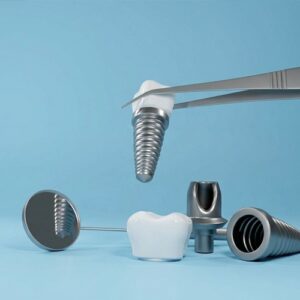
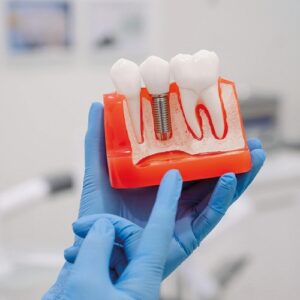
A typical dental implant has three main parts:

Implant post – a titanium screw placed in the jawbone that acts like a tooth root
Abutment – a connector that links the implant post to the crown
Crown – the visible artificial tooth placed on top

Together, these parts create a complete tooth replacement that is firmly anchored in the jaw rather than sitting on top of the gums.

Why Dental Implants Are the Best Solution for Missing Teeth

  1. They Look and Feel Natural

One of the biggest advantages of dental implants is how natural they feel. Unlike dentures that may move or bridges that can feel slightly different, implants become a part of your mouth.

The crown is carefully designed to match your natural teeth in shape, colour, and alignment. Most patients find that after a short adjustment period, they forget the implant is even there.

  1. They Help Preserve Your Jawbone

When a tooth is lost, the jawbone in that area slowly begins to shrink because it no longer receives stimulation from a tooth root.

Dental implants help prevent this. Because the implant integrates with the bone, it continues to stimulate the jaw just like a natural tooth root would. This helps maintain bone strength and keeps the natural shape of your face.

Without treatment, bone loss can lead to:

  • Changes in facial appearance
  • Shifting of nearby teeth
  • Bite problems
  • Difficulty placing implants later if too much bone is lost
  1. They Are Built to Last

Dental implants are designed to be a long-term solution. The titanium implant post is extremely durable and can last a lifetime with proper care.

While the crown placed on top may need replacement after 15 to 20 years due to normal wear, the implant itself usually remains stable for many decades.

Compared to other options:
  • Dentures often need replacement every 5 to 8 years
  • Dental bridges typically last 10 to 15 years
  • Implants can last a lifetime with good oral hygiene

Abutment

  1. They Do Not Affect Healthy Teeth

Traditional dental bridges require the two neighbouring teeth to be filed down to support the bridge. This means altering healthy teeth permanently.

Dental implants are different because they stand independently in the jawbone. Nearby teeth remain untouched, which helps protect their long-term health.

  1. They Restore Normal Eating and Speaking

Missing teeth can make it difficult to chew certain foods, and dentures can sometimes slip or feel unstable.

Because implants are firmly anchored in the jawbone, they restore strong biting and chewing ability. Most patients can eat their favourite foods again without discomfort or worry.

Implants also help maintain clear speech, which can sometimes be affected by missing teeth or loose dentures.

  1. Easy to Maintain

Dental implants are very simple to care for. They do not require special cleaning solutions or adhesives like dentures.

You care for them the same way you care for your natural teeth:

  • Brush twice a day with fluoride toothpaste
    • Floss daily
    • Use mouthwash if recommended by your dentist
    • Visit your dentist regularly for check-ups and cleanings
  1. A Safe and Well-Proven Treatment

Dental implants have been used successfully for over 40 years. They are supported by extensive research and have a very high success rate when placed by experienced dental professionals.

With proper planning, good oral hygiene, and regular dental visits, implants are one of the safest and most reliable dental treatments available today.
Who Is a Good Candidate for Dental Implants?

Most adults with missing teeth can be suitable candidates for implants. Some of the main requirements include:

  • Adequate jawbone to support the implant
  • Healthy gums without active gum disease
  • Good overall health
  • Willingness to maintain good oral hygiene
  • Avoiding smoking or being willing to quit during the healing period

In some cases, additional procedures like bone grafting may be recommended if bone density is low.

The best way to determine if implants are right for you is through a detailed consultation with an experienced dentist.

Dental Implants vs Other Tooth Replacement Options

Here is a simple comparison of the most common options.

Dental Implants

Permanent, bone-anchored solution
Prevents jawbone loss
Does not affect nearby teeth
Looks and functions like a natural tooth
Long-lasting with proper care

Dental Bridges

Requires grinding down adjacent healthy teeth
Does not prevent bone loss
Typically lasts 10–15 years

Removable Dentures

Non-surgical and more affordable initially
May move or feel uncomfortable
Requires adhesives and special cleaning
Needs replacement every few years

Dental Implants

Getting Dental Implants in Kolkata: What to Expect

If you are considering dental implants in Kolkata, the treatment process usually includes several stages:

  • Initial consultation – examination and digital scans to assess bone health
  • Treatment planning – discussion of implant placement and timeline
  • Implant surgery – placement of the titanium post under local anaesthesia
  • Healing period – the implant fuses with the jawbone over several weeks
  • Abutment placement – a connector piece is attached
  • Crown fitting – the final custom crown completes the restoration

Why Patients Choose Brace Up Dentistry

At Brace Up Dentistry, our goal is to provide comfortable, honest, and high-quality dental care. Many patients trust us for dental implants in Kolkata because we focus on precision, patient comfort, and long-term results.

When you visit us, you can expect:

  • Detailed consultation and digital imaging for accurate planning
  • Internationally certified implant systems
  • Experienced implant dentists
  • Transparent treatment plans and pricing
  • Dedicated aftercare and follow-up support

Our team takes time to guide every patient through the process so you can make confident decisions about your dental health.

FAQs

  • Are dental implants painful?

    The implant procedure is performed under local anaesthesia, so you should not feel pain during the surgery. Mild swelling or soreness may occur afterward, but most patients return to normal activities within a day or two.

  • How long do dental implants last?

    The implant post can last a lifetime with proper care. The crown usually lasts around 15–20 years before it may need replacement.

  • How much do dental implants cost in Kolkata?

    The cost depends on several factors, including the number of implants, the implant system used, and whether additional treatments like bone grafting are required. A detailed cost breakdown is usually provided during the consultation.

  • How long does the full implant process take?

    The full process typically takes 3 to 6 months, including the healing period during which the implant fuses with the jawbone.

  • Is everyone suitable for dental implants?

    Most healthy adults are good candidates. However, certain conditions such as uncontrolled diabetes, active gum disease, or heavy smoking may require additional evaluation before treatment.