
Dr. Sofia Hawelia

Free Consult + Up to 20% Off Treatments – 24th July to 24th Aug! Free Consult + Up to 20% Off Treatments – 24th July to 24th Aug!
📅 August 5, 2026

Oral Health Tips for Seniors

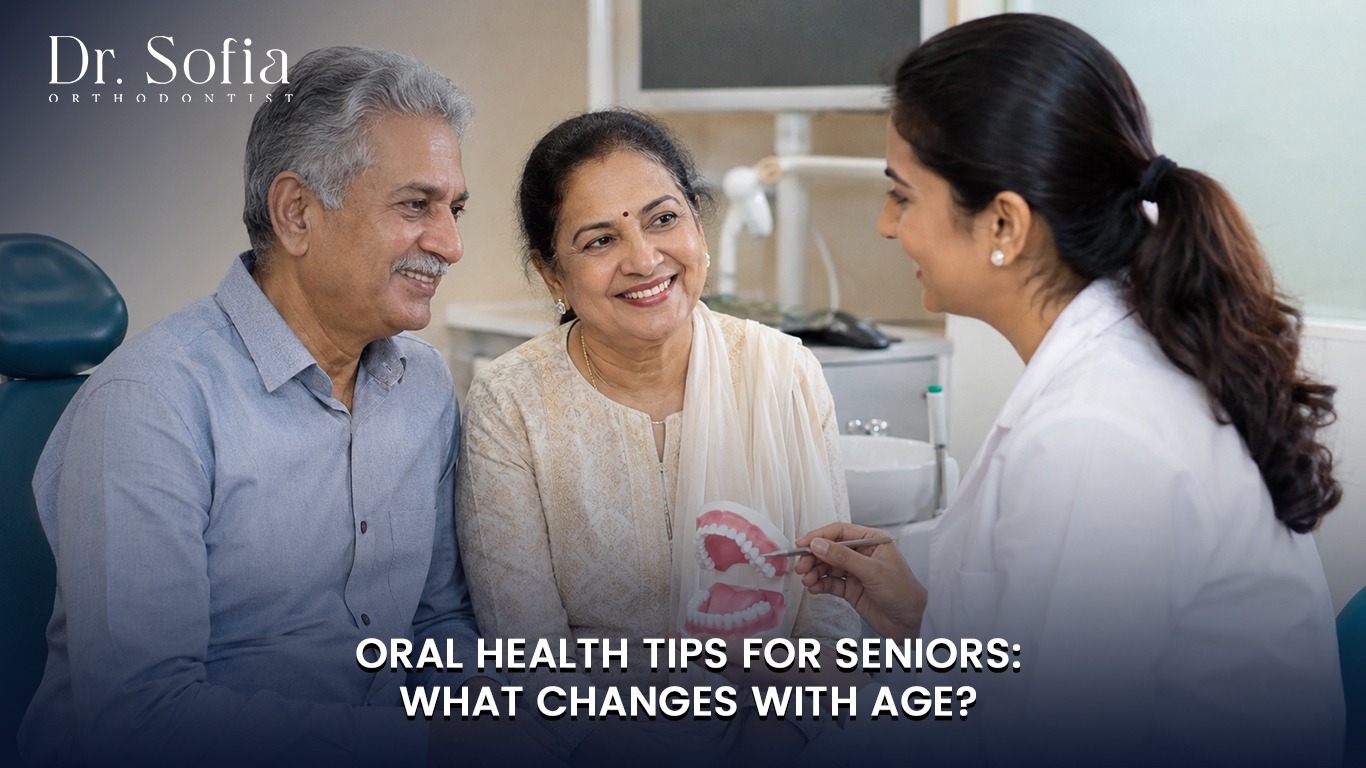
Oral Health Tips for Seniors: What Changes with Age?

Authored by: Dr.Sofia Hawelia (orthodontist) 

You’ve spent decades building a life full of memories. You’ve celebrated milestones, cared for family, worked hard, and smiled through countless moments. But lately, you may have noticed something changing quietly in the background: your teeth and gums don’t feel the way they used to.


Maybe cold water suddenly feels too sharp. Maybe your mouth feels dry more often. Or perhaps brushing and flossing, once second nature, now require a little more care and patience.


If this sounds familiar, you’re not alone. Ageing changes every part of the body, including the mouth. And while these changes are completely normal, understanding them can help you protect your smile and stay comfortable for years to come.

How ageing affects your oral health

As we grow older, our mouths naturally go through changes. These aren’t signs of failure or poor hygiene. They’re simply part of living a long life.

Gums Begin to Recede

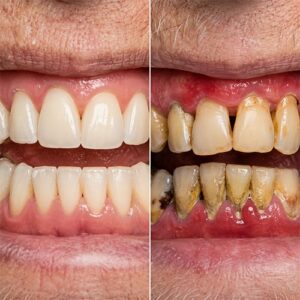
Over time, gums slowly pull back from the teeth. This exposes more of the tooth root, which is softer and more sensitive than enamel. You may notice your teeth looking longer or feeling more sensitive when eating hot or cold foods.

Enamel Gets Thinner

After decades of chewing and daily wear, enamel naturally becomes thinner. This can make teeth appear darker or more yellow and may increase sensitivity.

Dry Mouth Becomes Common

Many seniors experience dry mouth due to aging or medications for conditions like blood pressure, diabetes, or depression. Since saliva helps protect teeth from bacteria, a dry mouth can increase the risk of cavities and gum problems.

Taste Changes Over Time

Food may not taste the same as it once did. Some people begin craving sweeter foods or lose interest in eating altogether, which can affect overall oral health and nutrition.

Root Decay Can Develop Faster

When gums recede, the exposed roots are more vulnerable to decay. Root cavities can develop quickly and may not always be noticeable at first.

Why These Changes Happen

Your body changes as it ages, and your mouth changes with it.

The immune system becomes slower at fighting infection. Healing takes more time. Bones supporting the teeth may weaken. Medications can affect saliva production and increase sensitivity.

These changes are natural, but they also mean your oral health needs a little more attention and care than before.
Simple Oral Health Tips

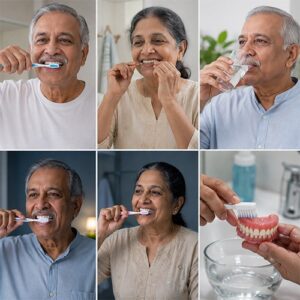
Simple Oral Health Tips That Truly Help

Visit Your Dentist Regularly

Don’t ignore new symptoms like dry mouth, bleeding gums, or tooth sensitivity. Your dentist can recommend treatments such as fluoride applications, dry mouth solutions, or special toothpaste to protect your teeth.

Use Gentle Home Care

Choose a soft-bristled toothbrush and brush gently twice a day. Pay extra attention to the gum line where plaque often builds up. An electric toothbrush can make cleaning easier and more effective.

Floss Every Day

Food tends to get trapped more easily as gums recede. Daily flossing helps prevent gum disease and cavities between teeth.

Stay Hydrated

Sip water throughout the day to help with dry mouth. Sugar-free gum or lozenges can also stimulate saliva production.

Watch Sugary Snacks and Drinks

Frequent sugary snacks increase the risk of decay, especially root decay. If you enjoy sweets, try having them during meals instead of throughout the day.

Don’t Delay Dental Care

Small dental problems can become bigger issues quickly if left untreated. Regular check-ups help catch concerns early and keep treatment simple.

Your smile still matters

Your teeth are part of your story. They’ve carried you through decades of conversations, celebrations, laughter, and meals shared with loved ones.

Ageing doesn’t mean giving up on your smile. In fact, caring for your oral health now can improve comfort, confidence, nutrition, and overall well-being for many years ahead.

The goal isn’t perfection. It’s having a healthy, comfortable mouth that allows you to eat well, smile freely, and enjoy life without pain.

And that is absolutely possible at any age.

A Final Thought

Oral Health Tips for Seniors begin with understanding that dental problems are not an inevitable part of aging.

With the right care, healthy habits, and support from a trusted dental team, your teeth can remain strong and functional for many years to come.

A simple dental visit today could help you eat more comfortably, smile more confidently, and feel more at ease about your health tomorrow.

Your smile has been with you through every stage of life. It deserves care, comfort, and attention at every age.
Oral Health Tips for Seniors