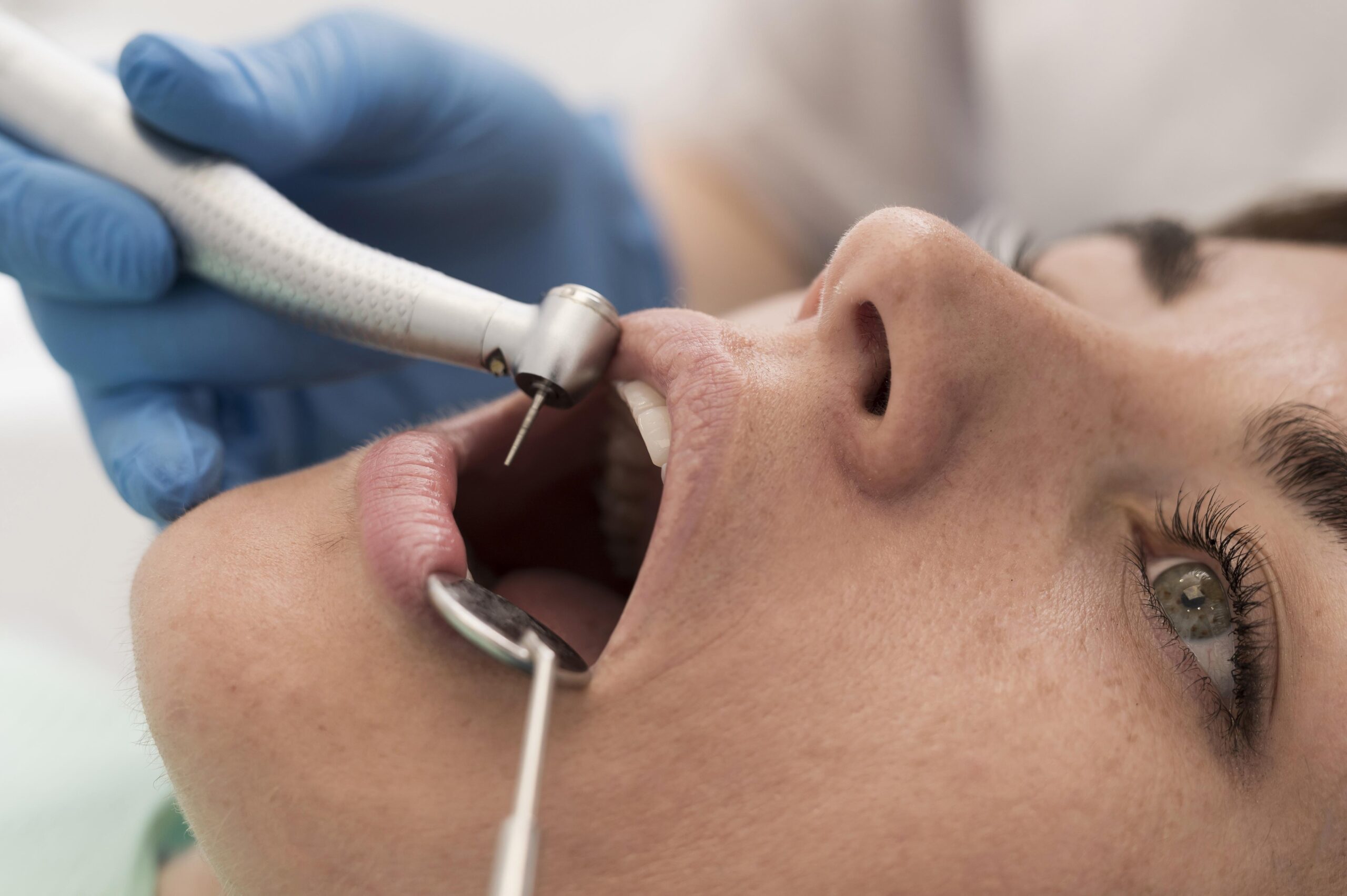
Scaling and root planing are advanced deep-cleaning dental procedures aimed at treating gum disease and improving overall gum health. These non-surgical periodontal treatments are specifically designed to address the root cause of gum problems by removing harmful plaque, tartar, and bacteria from below the gum line. When left untreated, gum disease can progress silently and lead to serious oral health complications, including gum recession, tooth mobility, and eventual tooth loss. Scaling and root planing play a vital role in stopping this progression and restoring gum health.
Gum disease, also known as periodontal disease, develops when plaque builds up along the gum line and hardens into tartar. This buildup harbors bacteria that irritate the gums, causing inflammation, redness, swelling, and bleeding. Over time, these bacteria penetrate deeper, forming periodontal pockets between the gums and teeth. Scaling and root planing are essential for cleaning these deep areas that cannot be reached with regular brushing or routine dental cleaning.
Scaling is the first step in the scaling and root planing process. It involves the thorough removal of plaque and tartar from the tooth surfaces and from beneath the gum line. Specialized dental instruments or ultrasonic scalers are used to break down and remove hardened deposits that contribute to gum infection.
By eliminating plaque and tartar buildup, scaling helps reduce gum inflammation and bleeding. This deep-cleaning procedure allows the gums to begin healing and prevents further bacterial damage. Scaling is especially important for patients who have moderate to advanced gum disease, as surface cleaning alone is not sufficient to manage the condition.
Root planing is performed after scaling and focuses on smoothing the root surfaces of the teeth. When gum disease progresses, bacterial toxins can adhere to rough root surfaces, making it easier for bacteria to reattach and continue the infection cycle. Root planing removes these toxins and smooths the roots, creating a surface that is less favorable for bacterial growth.
By smoothing the tooth roots, root planing helps the gums reattach more firmly to the teeth. This reduces the depth of periodontal pockets and supports long-term gum stability. Root planing is a crucial step in preventing recurring gum infections and maintaining healthy gums and strong teeth.
Scaling and root planing offer numerous benefits for patients dealing with periodontal disease. These procedures not only treat existing gum problems but also help prevent future complications.
Key benefits include:
Effective removal of plaque and tartar below the gum line
Reduction in gum inflammation, swelling, and bleeding
Prevention of further bone and tissue damage
Improved gum attachment and healing
Elimination of bacteria that cause bad breath
Reduced risk of tooth loss and advanced periodontal disease
When performed at the right time, scaling and root planing can significantly improve oral health and reduce the need for surgical periodontal treatments.
Scaling and root planing are recommended for individuals who show signs of gum disease, such as bleeding gums, persistent bad breath, gum recession, tooth sensitivity, or loose teeth. Dentists assess the severity of periodontal disease by measuring gum pocket depth and evaluating overall gum health.
Patients with conditions such as diabetes, smokers, or individuals with a history of poor oral hygiene may be at a higher risk of gum disease and may benefit greatly from scaling and root planing treatment.
Scaling and root planing are typically performed under local anesthesia to ensure patient comfort. Depending on the severity of gum disease, the procedure may be completed in one or multiple visits, often treating different sections of the mouth separately.
After the procedure, mild sensitivity or soreness is common and usually subsides within a few days. As healing begins, patients often notice reduced bleeding, healthier-looking gums, and improved breath.
Scaling and root planing are essential dental procedures designed to combat gum disease and promote healthier gums. These deep-cleaning treatments remove plaque, tartar, and bacteria from below the gum line, addressing the root cause of gum issues and preventing further complications.
Scaling and root planing are deep cleaning procedures that remove plaque and tartar from below the gumline to treat gum disease and promote healthier gums.
Scaling and root planing may be needed every 1-2 years, depending on the severity of gum disease. Your dentist will determine the right frequency based on your oral health.
Local anesthesia is used to minimize discomfort during the procedure. Some mild soreness may occur afterward, but it typically resolves quickly.
Scaling and root planing are effective in managing gum disease, but ongoing maintenance and good oral hygiene are necessary to keep the condition under control.
We always take care of your smile
+91 9875557353